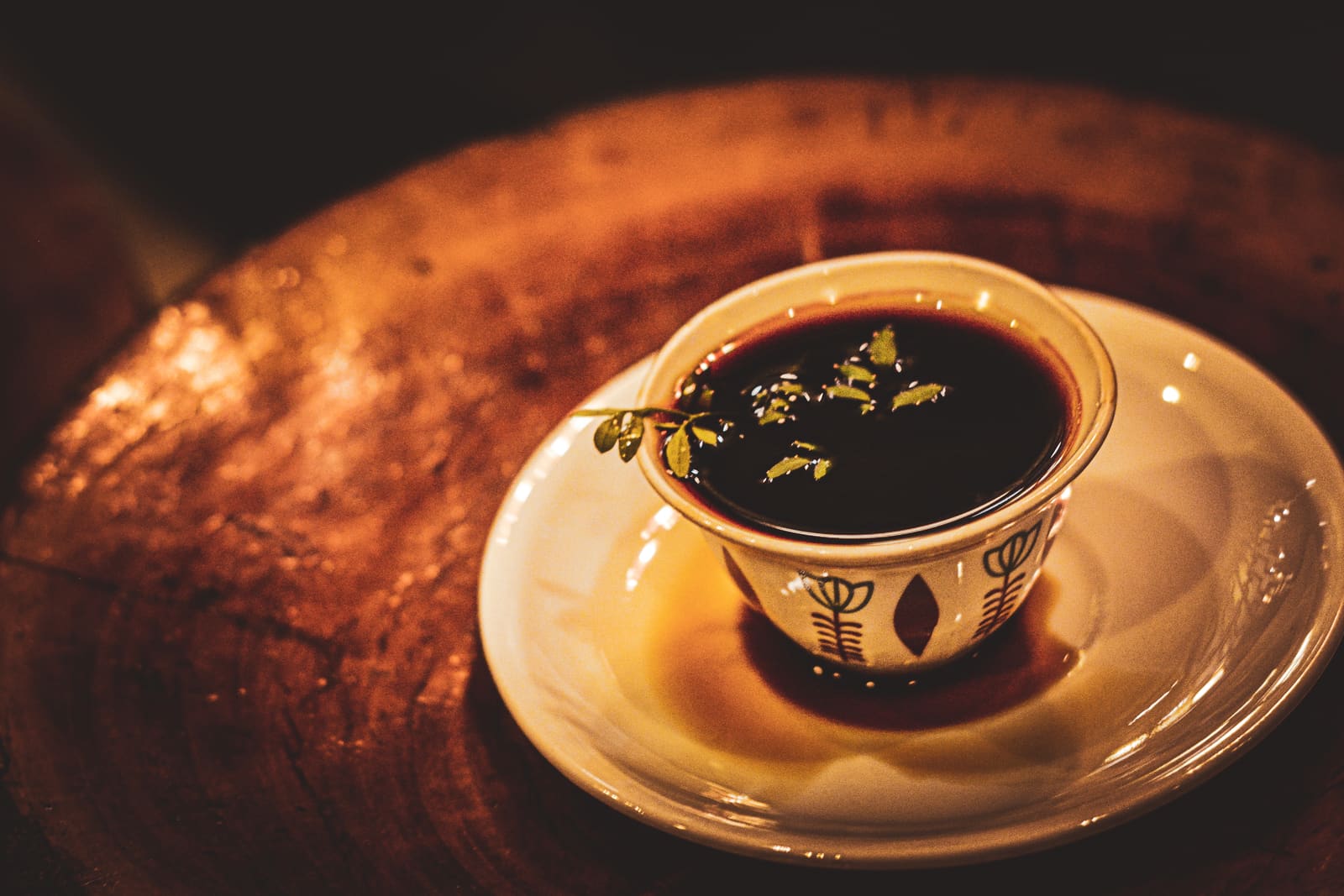
What the Danakil Depression actually is
The Danakil Depression is the northern end of the Afar Triple Junction, one of the few places on land where three tectonic plates — Nubian, Somali and Arabian — are pulling apart at once. The crust here has been stretched so thin that the floor of the basin has dropped to about 125 m below sea level, and magma sits close enough to the surface to power a permanent lava lake and a field of acid springs.
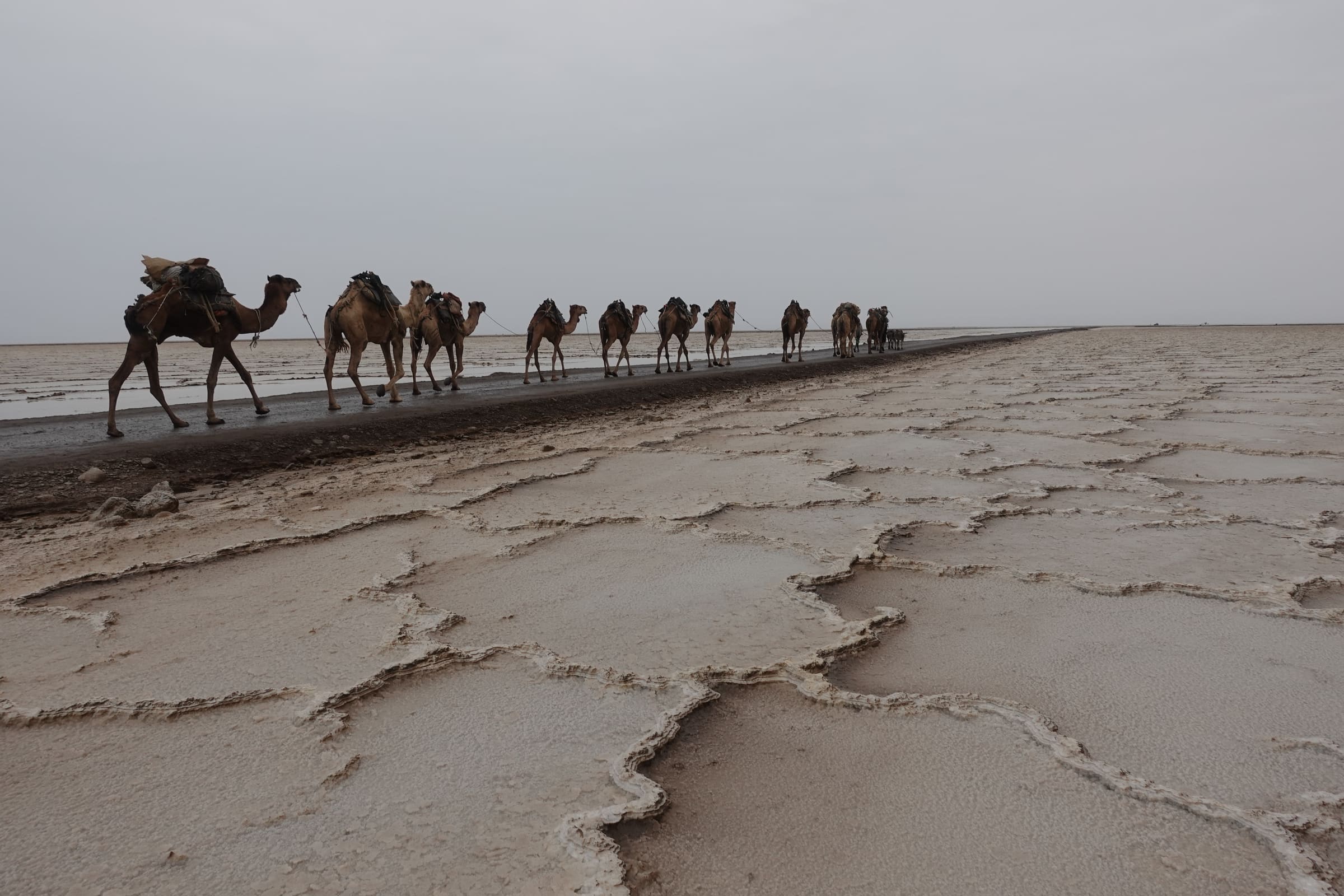
The Red Sea has flooded this basin repeatedly over the past few hundred thousand years and evaporated each time, leaving salt deposits hundreds of metres thick. That salt is what the Afar still mine by hand, and it is what gives Dallol its colours when hot groundwater dissolves it and carries it back to the surface. In a few million years the sea will return for good and the whole depression will become ocean floor.
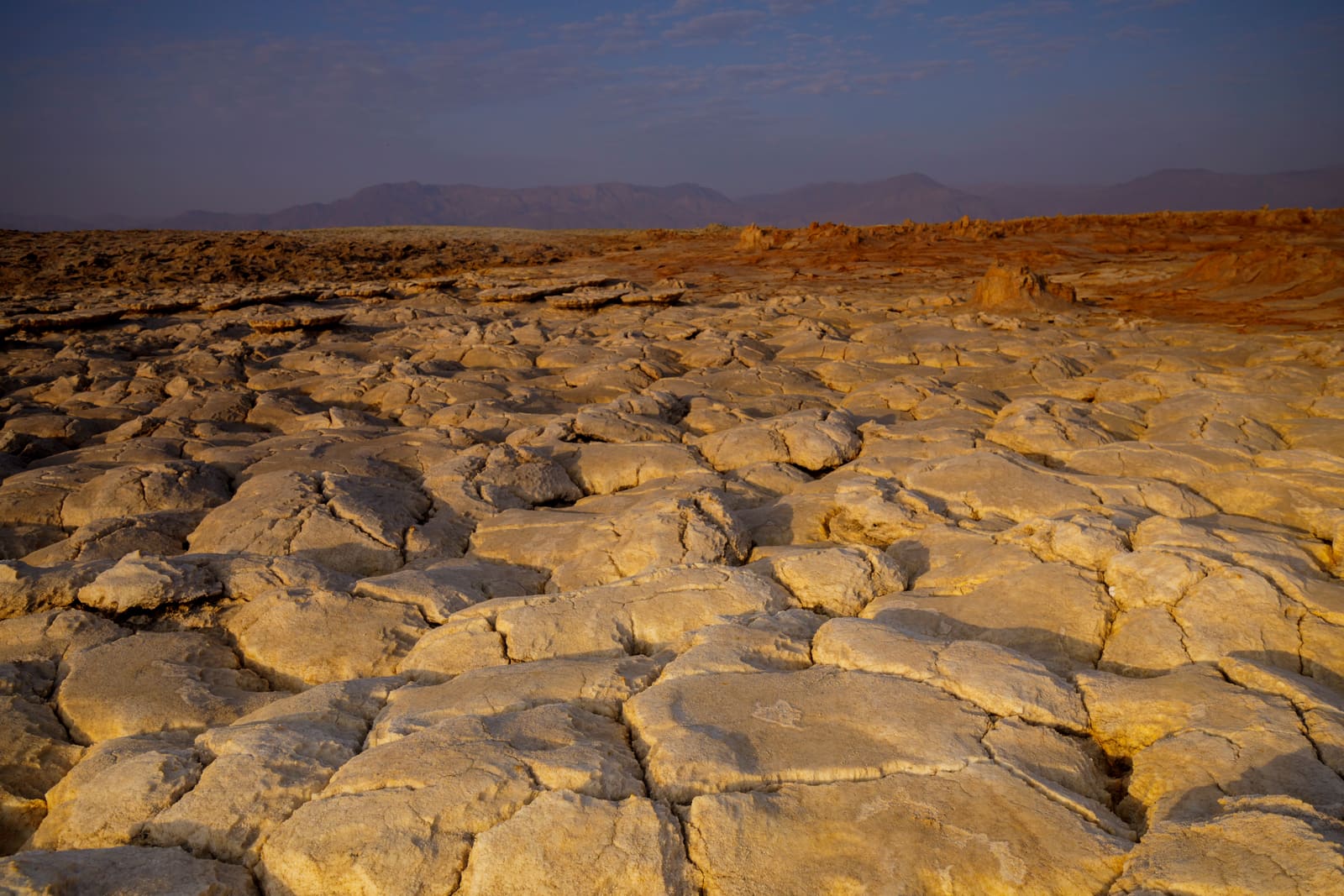
The standard three-day itinerary
Almost every operator runs a version of the same loop, and knowing it makes the listings much easier to compare. Day one is a long drive from Mekelle or Semera down into the depression, usually finishing with the evening trek up Erta Ale and a night on the crater rim. Day two descends the volcano at first light, crosses to the salt country and camps at Hamed Ela, with a sunset walk onto the Lake Assale salt flats. Day three starts before dawn at Dallol, takes in the salt canyons and the hand-cut salt trade at Ragad, and drives back out.
Two-day versions cut the pace, not the sights — they simply drive through the night. Four-day versions keep the same stops but add sleep and time on the ground, which in this heat is worth paying for if you can.
What to pack
Pack for heat, dust and no washing facilities, not for comfort. The single most common mistake is bringing too little water capacity and too much luggage.
- 4–5 litres of water per person per day — operators supply it, but carry your own bottle too.
- Long-sleeved light cotton or linen, a wide hat and a scarf. Covering up beats sunscreen alone at 45 °C.
- Closed walking shoes you are willing to destroy — lava and acid crust both eat footwear.
- A head torch. Erta Ale is climbed and descended in the dark.
- Electrolyte sachets. You will lose salt faster than you replace it with water alone.
- Wet wipes, a quick-dry towel and hand sanitiser: that is your bathroom for two days.
- A dust-proof bag for cameras. Salt dust gets into everything and is corrosive.
- A power bank — there is no electricity in the field.
Health, heat and staying safe
Heat is the real risk here, far more than anything geological. Drink continuously rather than when thirsty, eat more salt than feels normal, and tell your guide immediately if you stop sweating, get a headache or feel confused — those are heat exhaustion signs and they escalate fast.
Beyond that: standard Ethiopia health prep applies. Check routine vaccinations, discuss malaria prophylaxis for the lowlands with a travel clinic, and take out insurance that explicitly covers remote-area travel and active volcanoes. There is no medical facility in the depression and evacuation would take many hours.
- Never touch or taste anything at Dallol — some springs are close to pH 0.
- Stay on the route your guide walks; salt crust can be hollow underneath.
- At Erta Ale, stay upwind of the crater and follow the guide’s positioning exactly.
- Check your government’s travel advice for Ethiopia and the Afar Region before booking.
The Afar and travelling respectfully
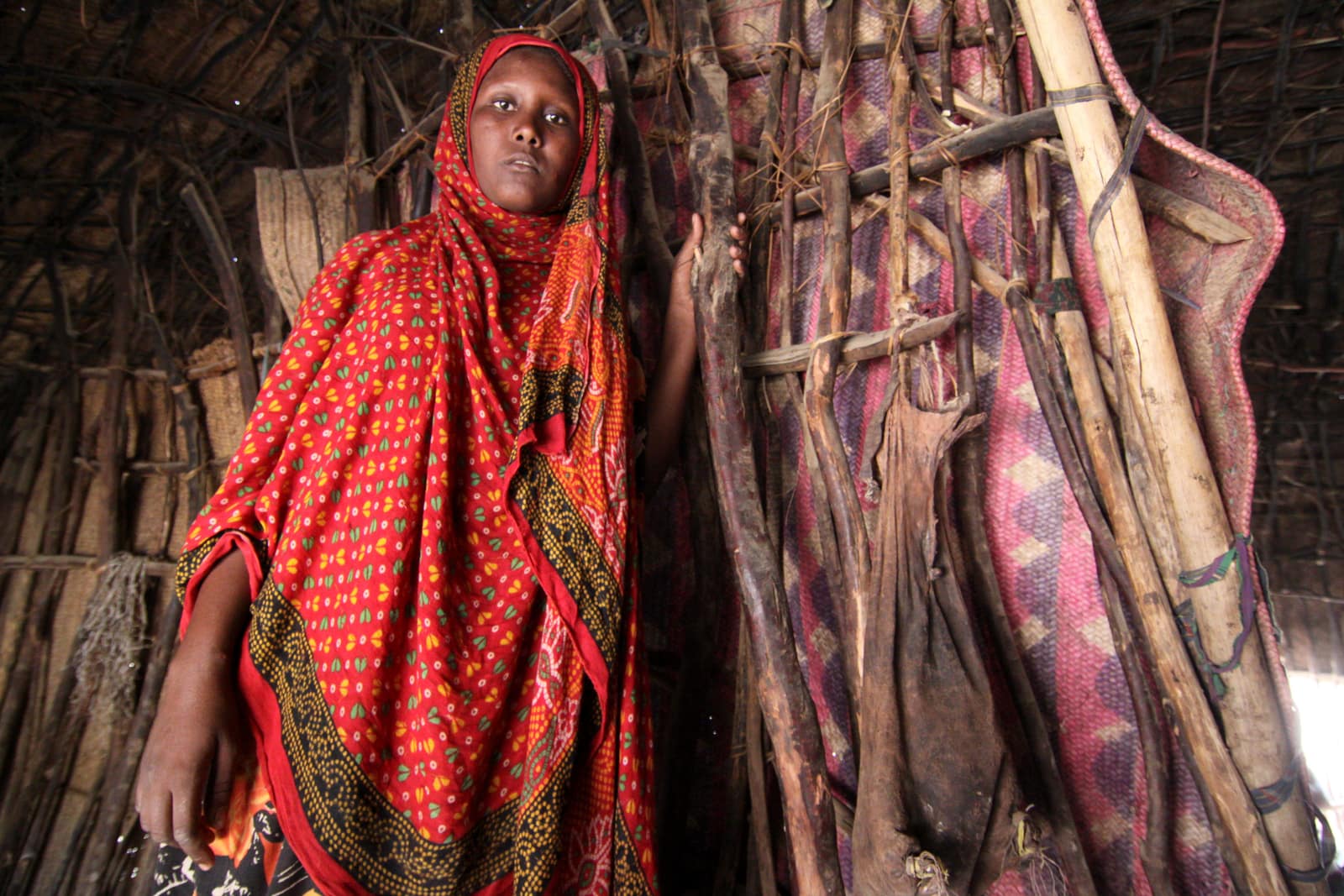
The Danakil is not empty land. It is the territory of the Afar, a pastoralist people with their own language and a long history of managing an environment that kills the unprepared. The salt trade you come to photograph is somebody’s livelihood, and the permits and community fees built into your tour price are part of how tourism pays its way here.
Practical courtesy: always ask before photographing people, expect to tip if you take close portraits of salt workers or caravan drivers, dress modestly in villages, and accept that some places are off-limits. Your guide will tell you where the line is — take that seriously rather than negotiating it.
Food, money and connectivity
In the field you eat what the cook carries: pasta, rice, lentils, bread, tuna and fruit, plus endless tea. It is simple and sufficient. Vegetarians are easy to accommodate with notice; anything more specific is genuinely hard in the desert, so flag dietary needs when booking.
Back in the highlands, Ethiopian food is one of the great cuisines — injera, the sour teff flatbread, with spiced stews called wat, and a coffee ceremony that Ethiopia invented and still does better than anyone. Bring cash: there are no ATMs in the depression and tips for the cook, driver, guide and scout are all expected in birr. Mobile coverage is patchy to non-existent once you leave the towns.